

Irish Brown Soda Bread

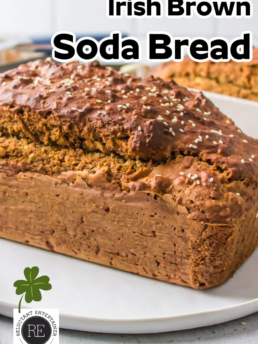
Irish Brown Soda Bread is the kind of old-world recipe that feels both humble and extraordinary—rich with malty flavor, dense in the best hearty way, and irresistibly rustic. This no-knead loaf comes together in minutes, relying on simple pantry staples and a touch of dulse flakes (a mineral-rich Irish seaweed) to deepen the flavor and give it that unmistakable coastal charm. Ready in a jiffy and perfect with butter, jam, or a cozy bowl of soup, this bread brings a taste of Ireland’s tradition straight to your kitchen.
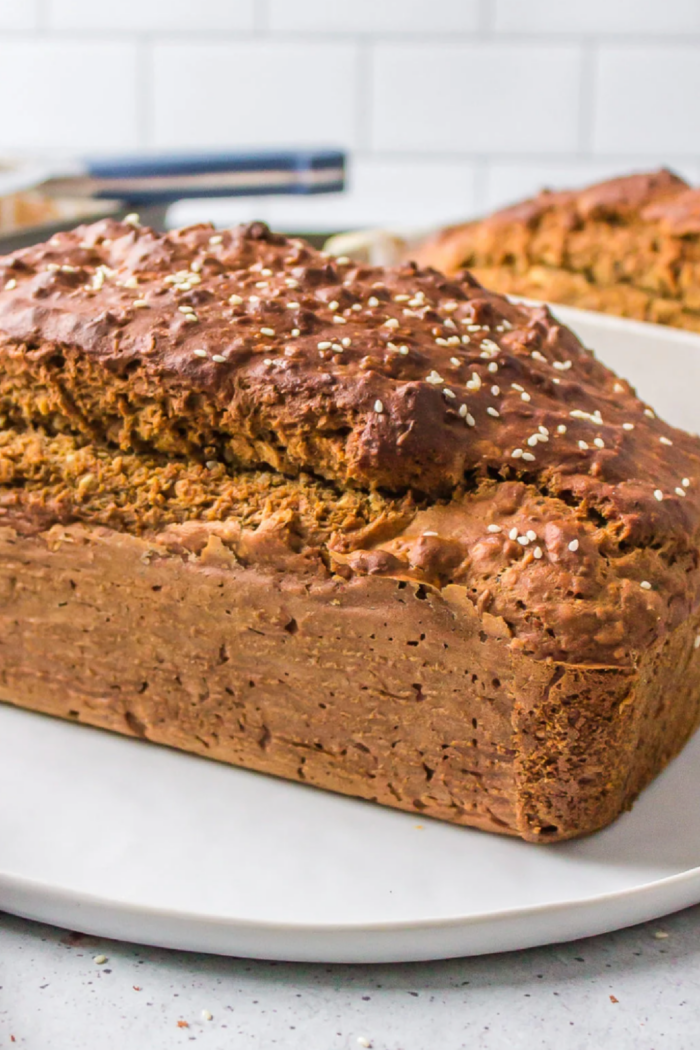
With its rich, malty flavor and dense, hearty crumb, Irish Brown Soda Bread is the perfect loaf to kick off your St. Patrick’s Day celebration. This no-knead, no-yeast classic comes together in under an hour, filling your kitchen with the most incredible, cozy aroma as it bakes. And truly—nothing beats slicing into a warm loaf fresh from the oven and spreading on a little butter. The dough mixes up quickly in your stand mixer, goes straight into the loaf pans, and before you know it, you’ve got an authentic taste of Ireland ready for the holiday table.
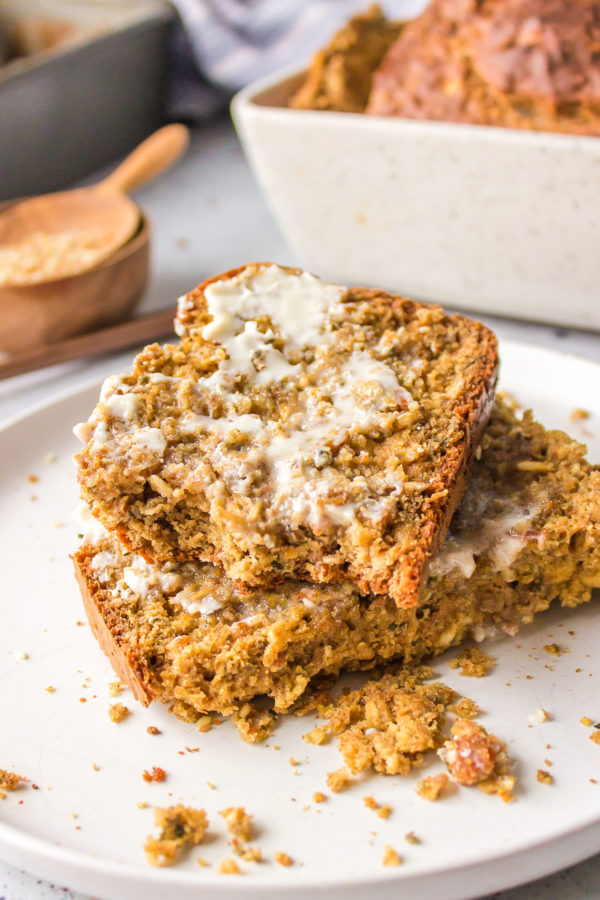
What is Brown Irish Soda Bread?
Irish Brown Soda Bread is a traditional Irish loaf made without yeast, using baking soda (bicarbonate of soda) as the leavening agent. What sets the brown version apart is its use of wholemeal (whole wheat) flour, which gives the bread its signature deep, nutty flavor and hearty, dense texture.
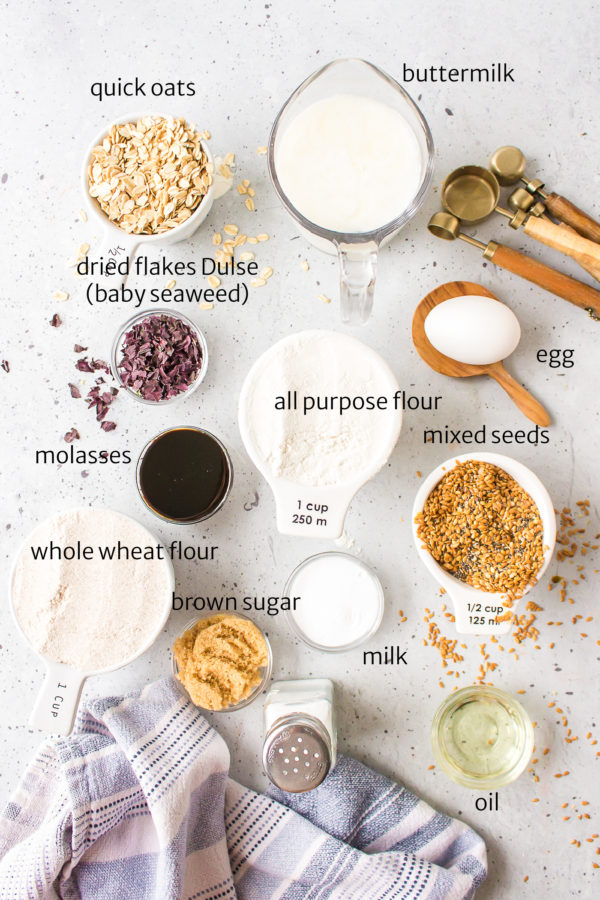
Ingredients needed to make Brown Irish Soda Bread
- Wholemeal flour provides rich, malty flavor and the classic brown color.
- Quick Oats
- Mixed seeds – like chia, flax seeds, hemp.
- Dulse flakes– See below to learn what this is.
- Simple, old-world ingredients like flour, salt, baking soda, and buttermilk, often with additions like oats, seeds, or even dulse flakes for extra flavor.
- Brown sugar, molasses, milk, egg, and cooking oil
- Sesame seeds – As a garnish.
- Butter – For spreading.
It’s an everyday Irish staple that’s nourishing, comforting, and wonderfully easy to make.
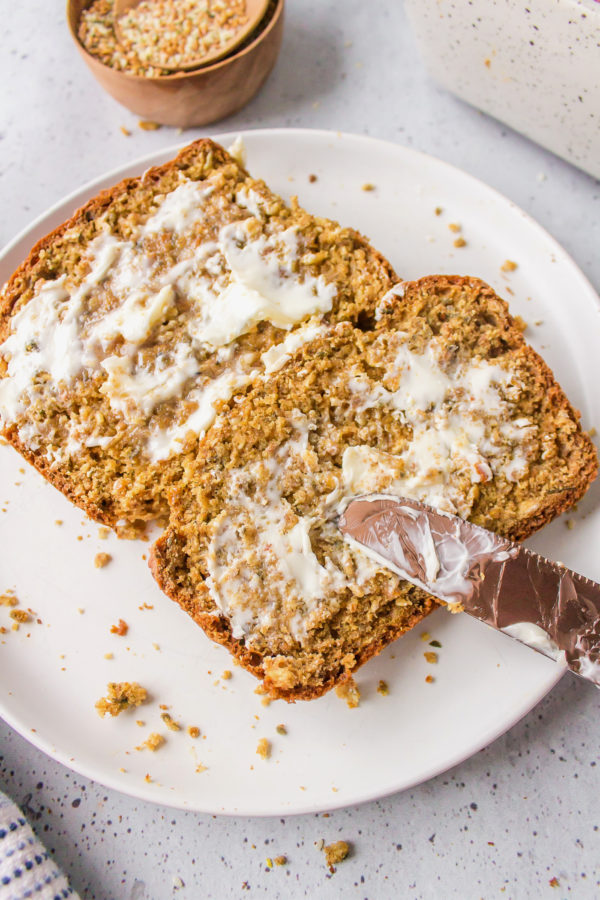
This bread was inspired in Dublin
I fell in love with Brown Irish Soda Bread during a visit to the iconic Winding Stair Restaurant in Dublin. This charming spot serves homemade Irish dishes, each one more delicious than the last. Tucked above a historic bookshop and reached by—you guessed it—a winding staircase, the restaurant feels like a hidden treasure. We discovered it during a quick three-day stay in the city, yet the bread left such an impression that I’ve been making it ever since.
Why I love this recipe
- There’s such incredible flavor from such an easy bread recipe.
- It makes 3 loaves, so freeze some for later!
- No yeast or rising time—the bread is quick to make and relies on baking soda and buttermilk for lift.
- Ready fast—usually mixed, shaped, and baked within an hour.
- Dense, rustic crumb that’s perfect for slicing thick and enjoying warm with butter.
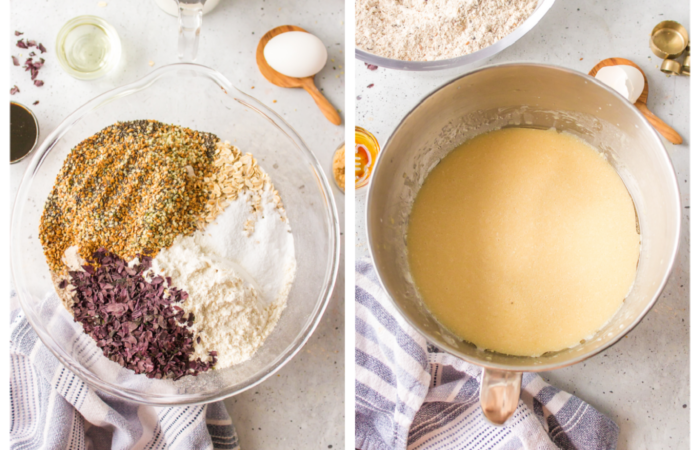
What are dulse flakes?
Dulse flakes are the secret ingredient in this authentic Irish Soda Bread recipe. This natural product is made from red seaweed that grows wild in the North Atlantic Ocean. It’s an edible seaweed with a unique flavor that lends so much to this bread. It’s also packed with nutrition. You can buy it online or from specialty shops.
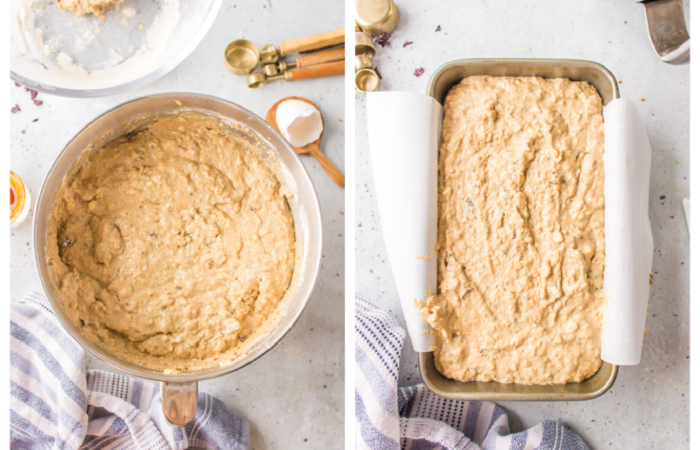
How do you make Brown Irish Soda Bread?
- Preheat your oven to 400-F degrees and oil 3 loaf pans.
- Mix the whole wheat flour, all-purpose flour, mixed seeds, quick oats, baking soda, salt, and dried dulse in a large bowl. Set aside.
- Beat the brown sugar, molasses, buttermilk, milk, egg, and oil in the bowl of a stand mixer until it is well-mixed.
- Add the dry ingredients into the bowl of the stand mixer with the mixer fitted with the dough hook on low speed. Add the dry ingredients slowly until well-mixed.
- Transfer the dough to the oiled loaf pans. The dough will be sticky so you can oil your hands to keep it from sticking.
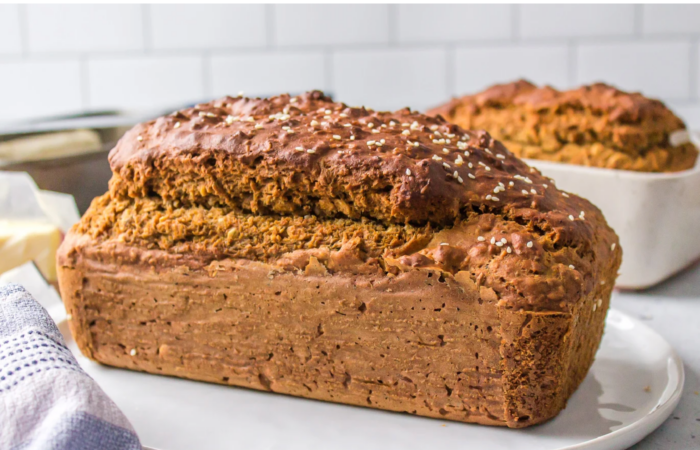
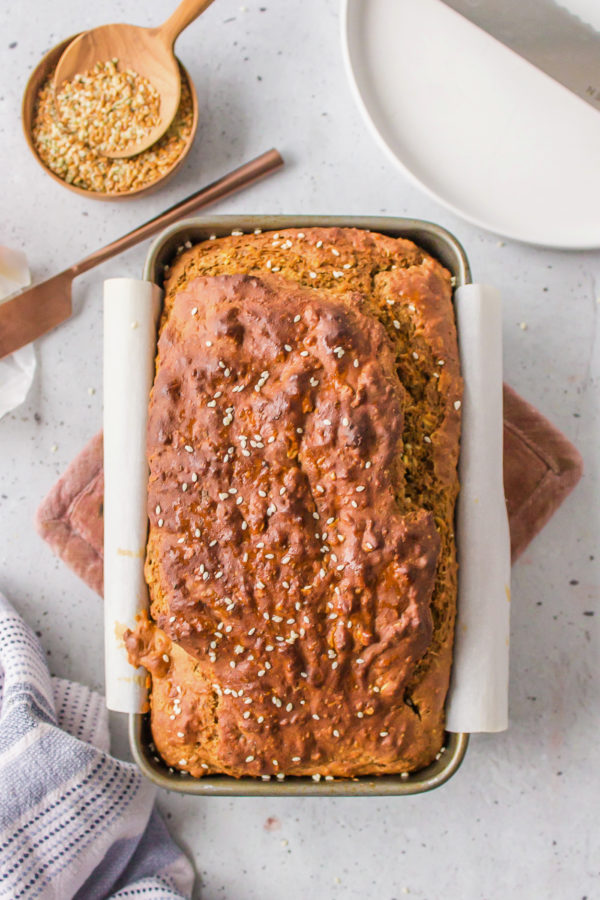
- Bake the loaves at 400-F until risen and browned on top.
- Remove from the oven and let cool in the loaf pans for a few minutes, then turn them out onto a wire rack to finish cooling.
Sandy’s tips and substitutions:
- You can use yogurt instead of buttermilk, just thin it with some milk, then swap it measure for measure.
- If you can’t find dulse flakes, you can omit them.
- COOLING: To keep the crust soft, wrap the cooling loaves in a clean dish towel.
- STORAGE: Irish Brown Soda Bread is best enjoyed the day it’s baked, but it stores well, too. Once the loaf has completely cooled, wrap it tightly in plastic wrap or place it in an airtight container. It will keep at room temperature for 2–3 days. For longer storage, freeze the bread by wrapping it well and placing it in a freezer-safe bag; it will stay fresh for up to 3 months. To serve, simply thaw at room temperature and warm slices in the oven or toaster if you like them soft and cozy again.
Freezing and thawing the loaf of Irish Soda Bread:
- Cool the loaf completely. Freezing warm bread traps steam and leads to ice crystals.
- Wrap it tightly. Use plastic wrap or foil to wrap the whole loaf (or individual slices) snugly.
- Place in a freezer-safe bag or container. This adds an extra layer of protection to prevent freezer burn.
- Label and freeze. It will stay fresh for up to 3 months.
- To thaw: Let the bread sit at room temperature, still wrapped, until fully thawed. For that fresh-baked taste, warm slices in the toaster or tuck the loaf into a low oven for a few minutes.
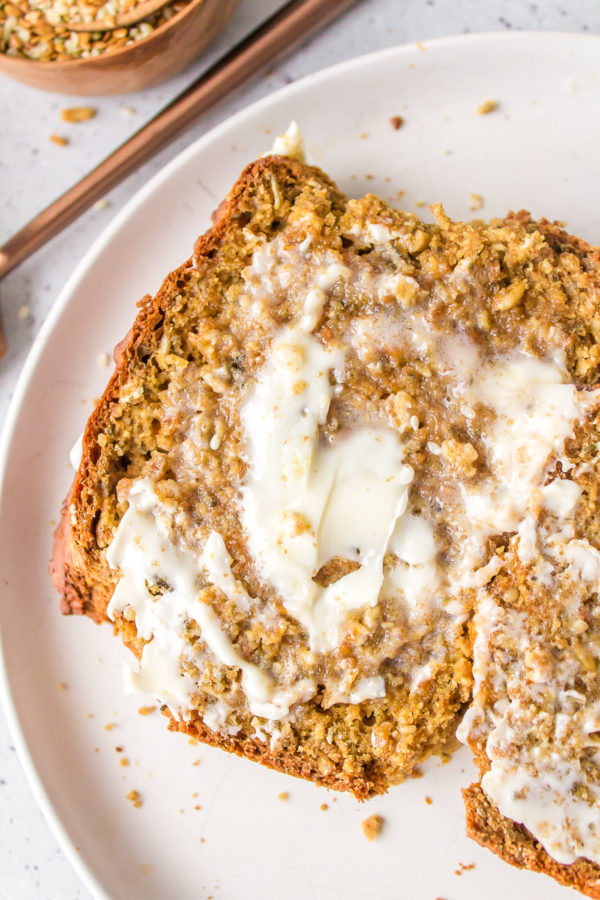
Serving
This hearty and wholesome Irish bread recipe is perfect on its own with a bit of butter. But I also love it alongside a hearty bowl of soup or Irish stew. I’ll also put out some slices of this bread with breakfast – it’s so good toasted!
More bread recipes you may want to try for St. Patrick’s Day:
Get the Recipe:
Irish Brown Soda Bread


Ingredients
- 5 ½ cups whole wheat flour
- 2 cups sifted plain all-purpose flour
- 1 ¼ cups mixed seeds, chia, flaxseed, hemp
- 1 ½ cups quick oats
- 4 tsp baking soda
- 2 tsp salt
- 3 tsp dried flakes Dulse, baby seaweed
- 2 Tbsp brown sugar
- 2 Tbsp molasses
- 4 cups buttermilk
- ¼ cup milk
- 1 egg, beaten
- 4 Tbsp oil
- 2 Tbsp sesame seeds to spread on top
- Butter for spreading
Equipment
Instructions
- Preheat oven 400 degrees.
- Oil 3 tin loaf pans or 2 loaf pans and one small cake pan (we just use olive oil with a paper towel). You make the dough into loaf sizes or round to fix into a loaf pan. Set aside.
- Mix all dry ingredients together: whole wheat flour, all purpose flour, mixed seeds, quick oats, baking soda, salt, and flaked Dulse. Set aside.
- Using a stand mixer, in a large mixing bowl, beat the brown sugar, molasses, buttermilk, milk, egg, and oil.
- Slowly add in the dry ingredients into the wet, and mix. (Make sure you are using your dough beater). The dough will be sticky, so you can butter, oil, or spray your hands. Divide the dough into the 3 pans.
- Bake for 40-45 minutes.
- Remove from the oven, and allow to sit for 5 minutes. Remove the bread loaves from the pans.
- Cool and wrap in foil.
Notes
Sandy’s tips:
- You can use yogurt instead of buttermilk, just thin it with some milk, then swap it measure for measure.
- If you can’t find dulse flakes, you can omit them.
- COOLING: To keep the crust soft, wrap the cooling loaves in a clean dish towel.
- STORAGE: Irish Brown Soda Bread is best enjoyed the day it’s baked, but it stores well, too. Once the loaf has completely cooled, wrap it tightly in plastic wrap or place it in an airtight container. It will keep at room temperature for 2–3 days. For longer storage, freeze the bread by wrapping it well and placing it in a freezer-safe bag; it will stay fresh for up to 3 months. To serve, simply thaw at room temperature and warm slices in the oven or toaster if you like them soft and cozy again.
Freezing and thawing the loaf of Irish Soda Bread:
- Cool the loaf completely. Freezing warm bread traps steam and leads to ice crystals.
- Wrap it tightly. Use plastic wrap or foil to wrap the whole loaf (or individual slices) snugly.
- Place in a freezer-safe bag or container. This adds an extra layer of protection to prevent freezer burn.
- Label and freeze. It will stay fresh for up to 3 months.
- To thaw: Let the bread sit at room temperature, still wrapped, until fully thawed. For that fresh-baked taste, warm slices in the toaster or tuck the loaf into a low oven for a few minutes.

Hello and welcome to my home and table!
I’m Sandy—lover of food, family, cooking, THE BIG BOARD, travel, and bringing people together. Through great recipes and connection around the table, we become better, stronger, and more courageous people. Feasting on Life is real, and every time we do it, we grow a little more. Read more...



Holy cow! Can’t wait to make this gem this Winter!!!! Thank you for this recipe!
I couldn’t get the Dulse, so I added some nutritional yeast. The bread turned out perfectly and delicious!
Awesome! Thanks for letting us know :)
Could I use rolled oats?
Yes!