

Zucchini Salsa

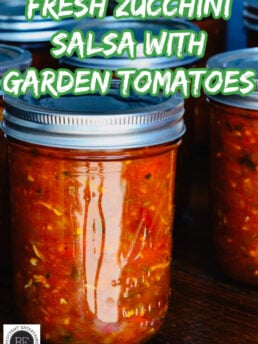
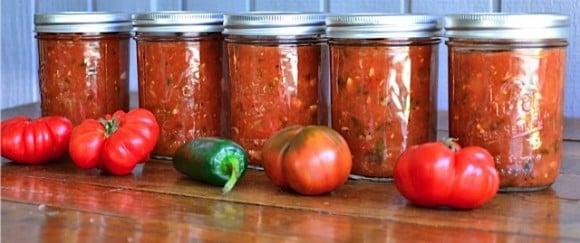
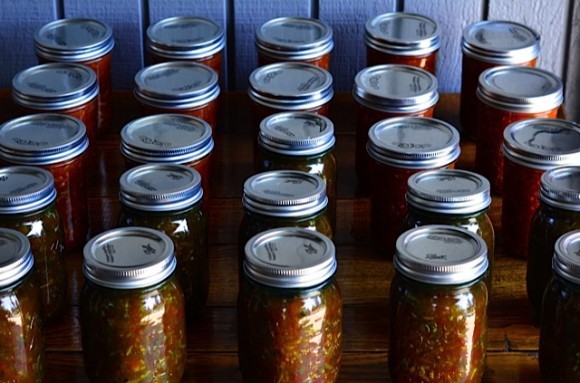
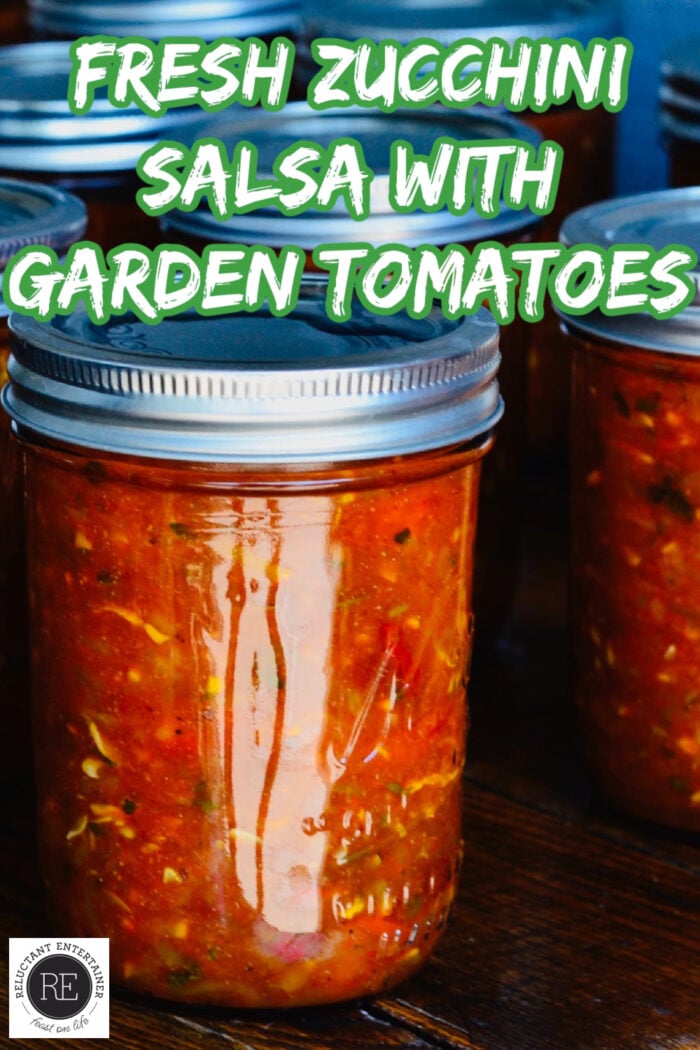
Put your garden tomatoes and zucchini to delicious use with this sweet and smoky Zucchini Salsa. It’s a fresh salsa that yields 26 pints of home-canned goodness. I have been making this for 15 years.
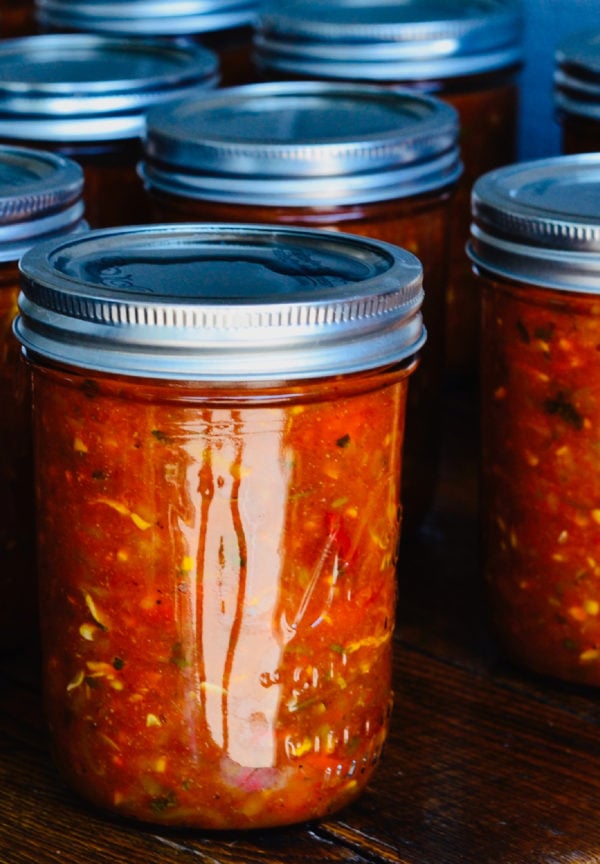
Homemade sweet and smokey zucchini salsa takes any dish to the next level, especially when it’s home-canned. Can the full batch for your pantry or halve it for a refrigerator version that’s ready in minutes. Don’t have fresh garden tomatoes and zucchini? Farmer’s markets and farm stands have you covered!
Yes, canning takes time, but this recipe is proof that good things are worth the wait.
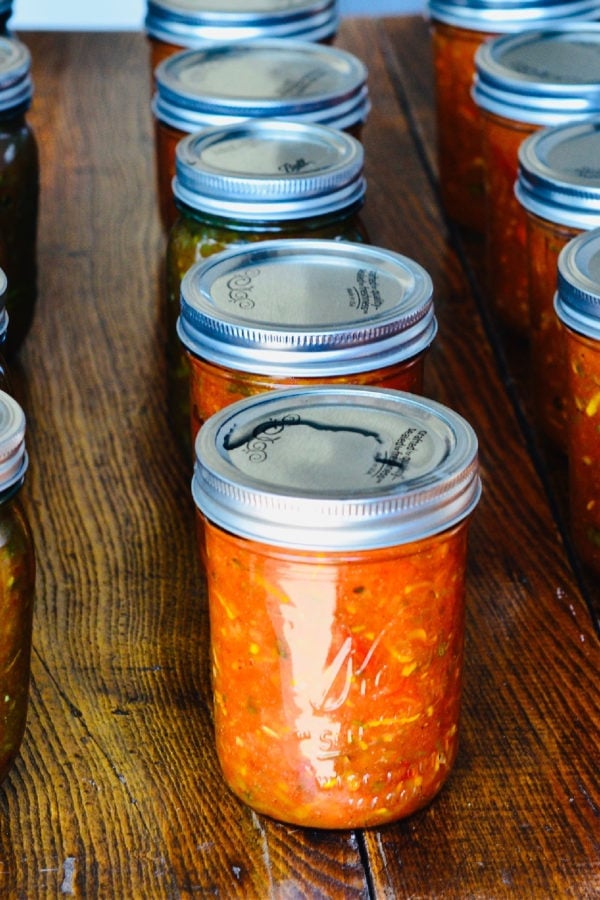
What is zucchini salsa?
This sweet-and-smoky salsa is made with freshly grated zucchini, onions, bell peppers, ripe tomatoes, and a warm blend of spices. The recipe includes full canning instructions for long-term storage, or you can easily halve it for a quick refrigerator version.
Versatile and utterly addictive, this salsa shines in countless ways. Slather it on burgers, layer it into sandwiches, or serve it alongside cream cheese for an irresistible dip. It’s summer captured in a jar: a truly fabulous condiment for any table.
Why you’ll love this homemade salsa
- While the process does require some time and effort, the end result is incredibly satisfying, and absolutely delicious.
- Each jar makes a thoughtful and memorable gift, perfect for holidays and other occasions.
- If you’re short on time, you can halve the recipe and skip the canning process entirely. Just store it in the fridge and enjoy it within two weeks.
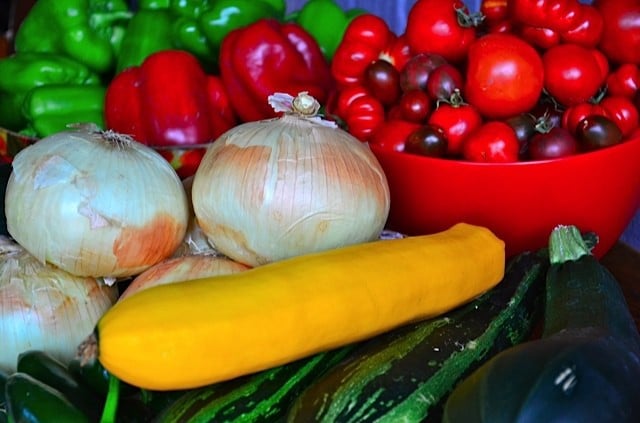
Ingredients needed to make this zucchini salsa
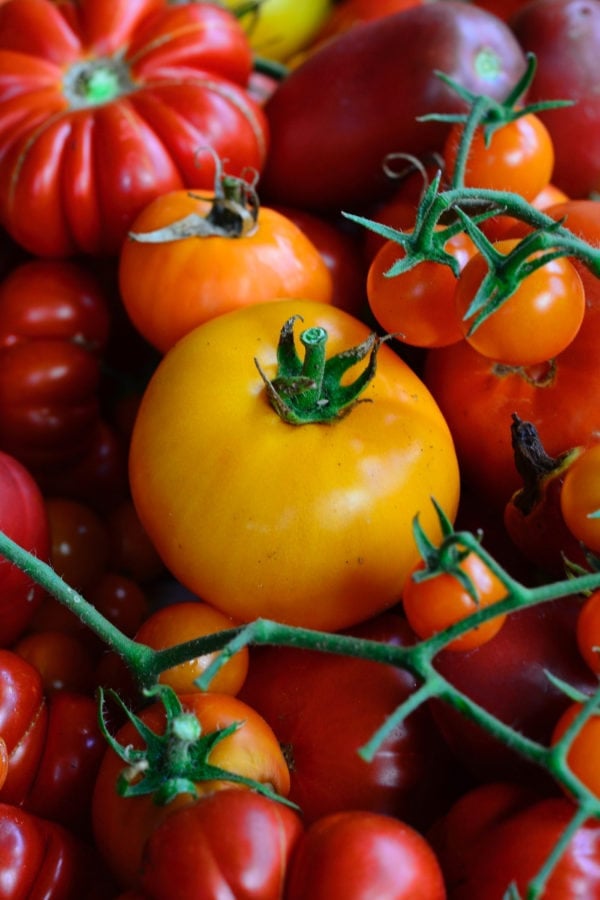
- Veggies – This zucchini combines shredded zucchini, shredded onions, peppers (green and red), chopped jalapeno peppers, and chopped ripe tomatoes (skins on).
- Pickling salt
- Seasonings – Dry mustard, garlic powder, cumin, and red chili powder.
- Liquid smoke – This is optional, but it provides a nice smokey flavor.
- White vinegar – Vinegar (with at least 5% acidity) is crucial for safely preserving the salsa.
- Brown sugar – Balances the flavors.
- Cilantro – For a pop of freshness.
- Ground pepper – For a touch of warmth.
- Cornstarch – Thickens the salsa without altering the flavor.
- Tomato sauce – Adds concentrated flavor and thickens the salsa.
How do you make home canned salsa?

Combine veggies and let stand:
- For the first day, combine the zucchini, onions, green pepper, red pepper and the salt in a large mixing bowl.
- Mix together and cover. Let it stand overnight (the brining process).

Season and simmer:
- On the second day, rinse and drain the veggie mixture well.
- Place the mixture into a large pot then add the rest of the ingredients. Don’t forget the liquid smoke for a “smokey” flavor.
- Bring to a boil and simmer for 15 minutes.
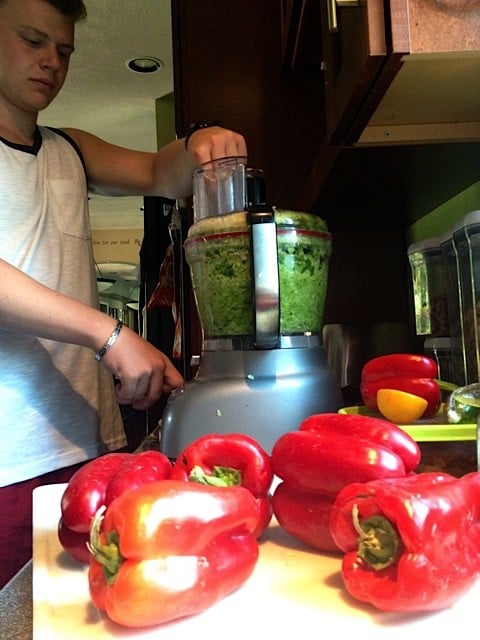
Water bath the jars:
- Pour the salsa into sterilized jars and seal.
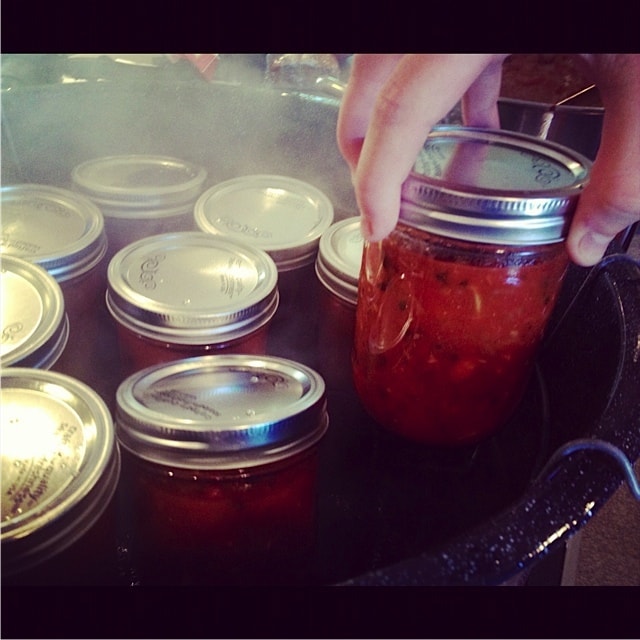
- Water bath the jars for 15 minutes.
- Remove jars and cool. Check lids for seal after 24 hours, by pressing on the center (it should not flex when pushed down).
Serving
This recipe yields 26 pints of delicious homemade salsa! Besides the normal way of enjoying with your favorite chips, you can pair this salsa with tacos, baked potatoes, burgers, sandwiches, substitute for half of the tomato sauce in meatloaf, dump it over scrambled eggs or omelets for breakfast or brunch, or add it to breakfast burritos!
Feel free to also enjoy this salsa with cream cheese as a tasty dip.

Sandy’s tips and substitutions:
- Storage: Unopened, sealed salsa can be stored in a cool, dark, and dry place for up to 12 to 18 months, but it will remain safe to eat for up to 2-3 years as long as the seal remains intact. Once opened, store in the fridge for up to 2 weeks.
- Freeze: For longer storage, pour the salsa into freezer-safe containers and freeze it for up to 6 months.
- Avoid skin irritation: Wear gloves when handling the jalapeños and make sure not to touch your eyes!
- Canning safety: When canning your zucchini salsa, it’s critical to follow a tested recipe. Do not alter the proportions of ingredients, especially the number of tomatoes, onions, or peppers, as this can affect the pH and safety of the product. Also, the acid (vinegar) is essential. Incorrectly canned salsa can pose a risk of botulism poisoning.
- Leave space in the jar: Leave 1/2-inch headspace when ladling the salsa into the jars. Headspace is the crucial air gap that allows food to expand and create a proper vacuum seal during processing, while also ensuring enough heat penetrates the jar to kill bacteria. Too little causes messy seal failures, and too much leaves excess air that prevents a strong vacuum.
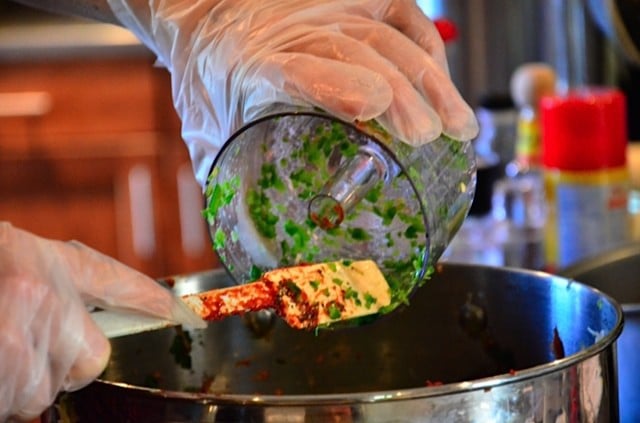
Variations
- Sugar alternative: You can use something like monk fruit to replace the sugar, but I don’t recommend omitting the sugar entirely as it is essential for balancing flavors.
- Change the spice level: Safely change the ratio of jalapeno peppers to bell peppers as long as you keep the same total volume of peppers.
- Swap (some) of the vinegar: You can safely swap out half of the vinegar for an equal amount of bottled (not fresh squeezed!) lemon or lime juice.
- Smooth/blended zucchini salsa: Home canned salsa recipes are on the chunkier side because the density of the food is important when it comes to canning safety. So while I can’t recommend you blend this salsa before canning, you can blend this salsa right before eating-most immersion blenders fit perfectly in wide-mouth canning jars!
For more delicious homemade salsa recipes, be sure to try my Mexican Cabbage Salsa and Spicy Black Bean Salsa.
More irresistible condiments you may want to try:
Get the Recipe:
Sweet Smokey Zucchini Salsa Recipe


Ingredients
- 30 cups peeled shredded zucchini
- 12 small onions, shredded (6 large)
- 6 green bell peppers, chopped or shredded
- 6 red bell peppers, chopped or shredded
- ¾ cup pickling salt
- 3 Tablespoons dry mustard
- 3 Tablespoons garlic powder
- 3 Tablespoons cumin
- 2 Tablespoons red chili powder
- 3 Tablespoons Liquid Smoke
- 6 cups white vinegar
- 2 ¼ cups brown sugar
- 2 cups cilantro, chopped
- 10-15 jalapeno peppers, chopped
- 3 tsp. ground black pepper
- 15-20 cups chopped ripe tomatoes, leave skins on
- 3-4 Tablespoons cornstarch
- 3 12 oz. cans tomato paste
Equipment
- Food processor (I use my Cuisinart food process all the time)
- Large bowl (I like that this set includes several sizes)
- Large pot (Le Creuset pots are so great)
- Mason jars (Use these glass jars for storing dry goods, too)
- Hot water canner (This is a classic canner that's easy to use)
Instructions
- Day ONE: Combine the first 5 ingredients in a large mixing bowl. Mix well and let stand overnight in the refrigerator.
- Day TWO: Rinse and drain the zucchini and onion mixture well.
- Put into a large pot with all other ingredients.
- Bring to a boil; simmer for 15 minutes.
- Pour mixture into hot jars and process 15 minutes in a boiling water bath canner.
Notes
Sandy’s tips:
- Storage: Unopened, sealed salsa can be stored in a cool, dark, and dry place for up to 12 to 18 months, but it will remain safe to eat for up to 2-3 years as long as the seal remains intact. Once opened, store in the fridge for up to 2 weeks.
- Freeze: For longer storage, pour the salsa into freezer-safe containers and freeze it for up to 6 months.
- Avoid skin irritation: Wear gloves when handling the jalapeños and make sure not to touch your eyes!
- Canning safety: When canning your zucchini salsa, it’s critical to follow a tested recipe. Do not alter the proportions of ingredients, especially the number of tomatoes, onions, or peppers, as this can affect the pH and safety of the product. Also, the acid (vinegar) is essential. Incorrectly canned salsa can pose a risk of botulism poisoning.
- Leave space in the jar: Leave 1/2-inch headspace when ladling the salsa into the jars. Headspace is the crucial air gap that allows food to expand and create a proper vacuum seal during processing, while also ensuring enough heat penetrates the jar to kill bacteria. Too little causes messy seal failures, and too much leaves excess air that prevents a strong vacuum.

Hello and welcome to my home and table!
I’m Sandy—lover of food, family, cooking, THE BIG BOARD, travel, and bringing people together. Through great recipes and connection around the table, we become better, stronger, and more courageous people. Feasting on Life is real, and every time we do it, we grow a little more. Read more...



Since others have asked, I’ve made a variation of this recipe every year for the last 5 years that omits both cornstarch and tomato paste.
The only discernable difference I’ve noticed is that you lose a little of the silky mouth feel from the starch (which I don’t personally care for anyway) and it will be less sweet.
You can fix both to a certain extent. I usually simmer longer for more reduction/thickening (30-45 minutes on low heat instead of 15). For sweetness you can back sweeten to taste, or my preference, add a quarter cup black strap molasses which really works nicely with the smokey flavor and keeps the sweetness down at a level I like more (I find the original, while good, is almost cloyingly sweet).
As with all things canning, adjust recipes at your own risk and take modifications with caution and a grain of salt. And, when in doubt, keep things in the fridge and consume quickly. That said, I haven’t personally had any issues with shelf stability using those modifications.
I’m considering making this. My understanding is that un-modified cornstarch is not usually recommended for canning and can break down when heated for the length of time that canning requires. What does the corn starch do in this recipe? Is it a thickener or does it do something else? Have you or anyone else tried substituting Clear-Jel, arrowroot powder, tapioca starch or potato starch?
We’ve never subsituted it; this recipe has been around forever and made by thousands.
Sorry, I don’t know about the substitution.
I thought this would be way to spicy for me, but it is wonderful. I have gerd and had given up eating salsa, so I am super happy with this salsa! The added zucchini tames down the acid, and it’s so delicious! It was well worth all the labor!
Hi there! I love this recipe and have made it several times – it ALWAYS gets rave reviews!! I’m planning to can this weekend and wondered if I might be able to use a steam canner? I have a water bath canner, but it would be great to have both going at once and cut down a bit of the canning time. Do you know if there would be any issues in doing so? Thanks in advance.
I have never used a steam canner. I’m sorry I can’t make a recommendation for that :)